Mats Wilander Net Worth 2026 - The Swedish Tactician's Enduring Financial Legacy

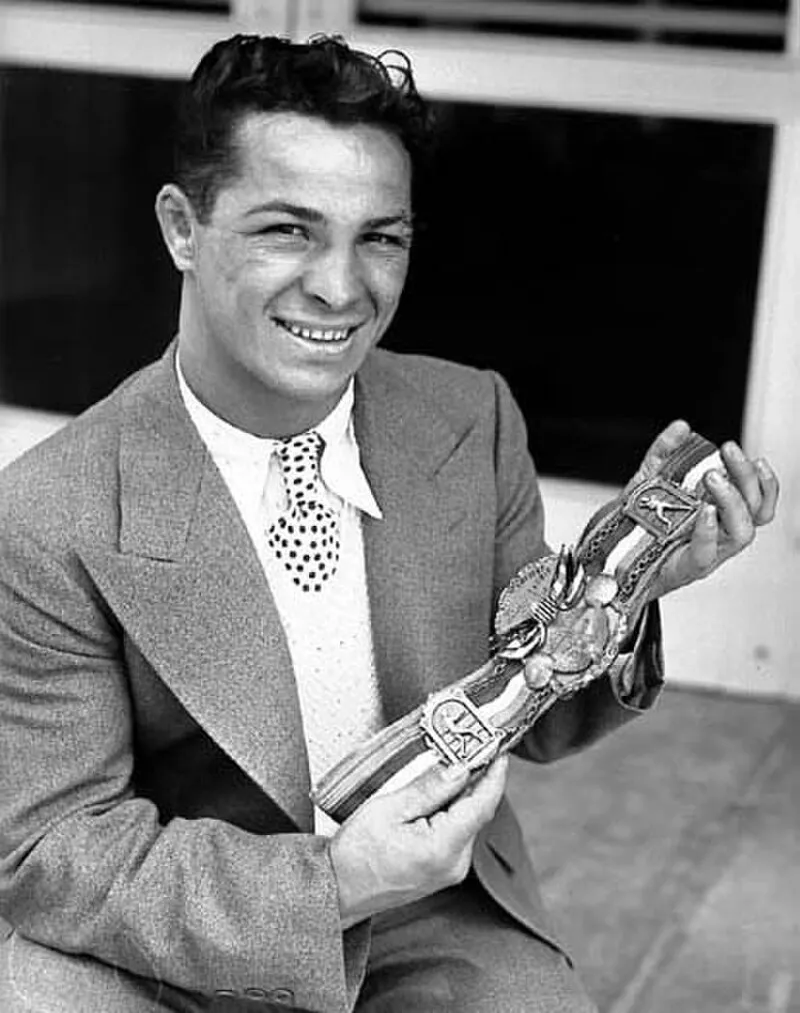
Photo of Mats Wilander, via Wikimedia Commons
Mats Wilander Net Worth 2026 - The Swedish Tactician's Enduring Financial Legacy
Mats Wilander does not carry the commercial profile of a Roger Federer or a Rafael Nadal, but make no mistake — the Swedish legend has built a financial legacy that is both durable and quietly impressive. Estimated at approximately $20 million as of 2026, Wilander's net worth is the product of a decorated playing career, decades of media work, and a reputation as one of the most respected analytical minds the sport has ever produced.
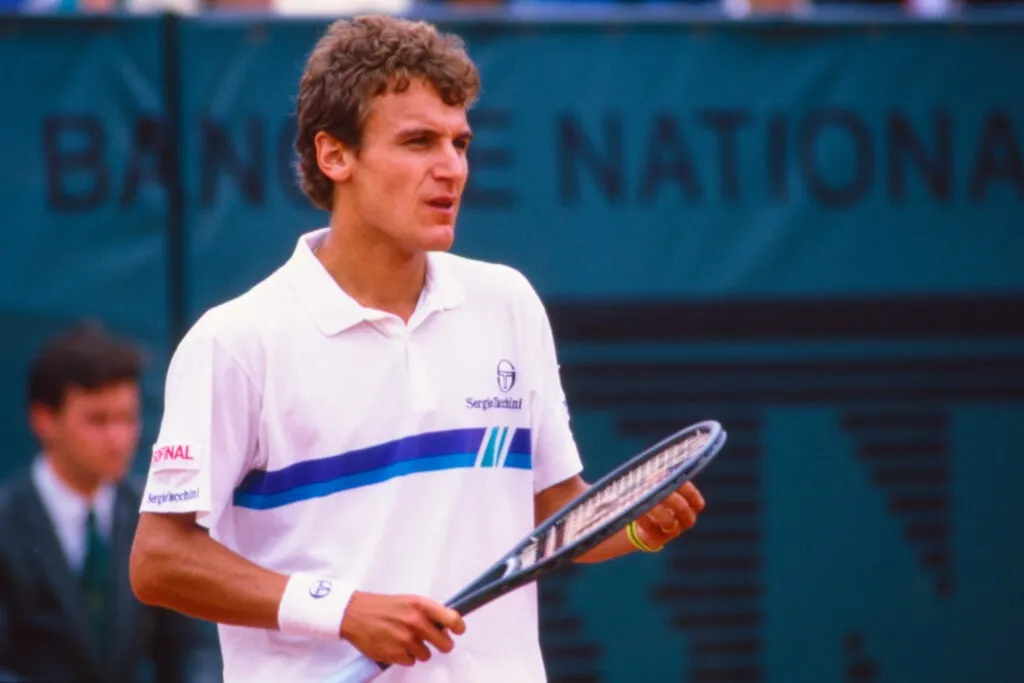 Photo: Mats Wilander, via cdn1.tennishead.net
A Champion Before the Money Arrived
Wilander burst onto the international tennis scene in 1982, winning the French Open at just 17 years old and becoming the youngest player to claim that title at the time. Over the course of his career, he would collect seven Grand Slam championships — three at Roland Garros, three at the Australian Open, and one at the US Open — before retiring in the early 1990s.
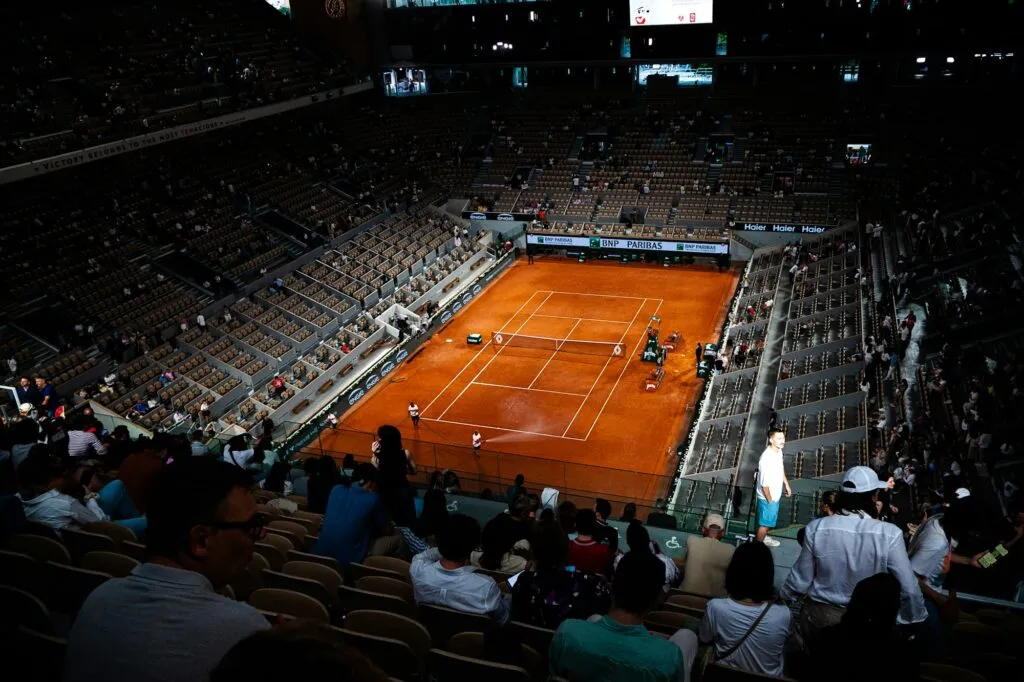 Photo: Roland Garros, via pixidia.com
The financial context of that era, however, is critical to understanding his net worth today. Prize money in the 1970s and 1980s bore almost no resemblance to the staggering purses distributed on the modern ATP Tour. Wilander's total career prize money is estimated at roughly $8 million, a figure that would represent a fraction of what a comparable champion would earn in a single Grand Slam campaign today. Adjusted for inflation, those earnings carry more weight, but they remain modest by contemporary standards.
Endorsement income during his playing years added meaningfully to his earnings. Sponsorships with equipment manufacturers and apparel brands provided reliable supplemental revenue, though again, the scale of commercial deals in that era was considerably smaller than what players negotiate today.
The Broadcasting Career That Defined His Second Act
Where Wilander has truly distinguished himself financially in retirement is through his long-running role as a tennis analyst and commentator. His association with Tennis Channel in the United States has been the cornerstone of his post-playing income for well over a decade. As one of the network's most recognizable on-air personalities, Wilander brings a level of tactical sophistication to his commentary that has made him a genuine authority among American tennis audiences.
 Photo: Tennis Channel, via thestreamable.com
Television contracts at Wilander's level of visibility and tenure are estimated to generate annual compensation in the range of $500,000 to $1 million, and his consistent presence across Grand Slam coverage, tour events, and special programming has made him one of the sport's most reliably employed broadcasters. His ability to articulate complex strategic concepts in accessible terms has earned him a loyal viewership and, by extension, considerable commercial leverage.
Beyond Tennis Channel, Wilander has contributed commentary and analysis to European broadcasters, including Eurosport, further broadening his media income base across multiple markets.
Coaching, Consulting, and the Expert Economy
Wilander has periodically stepped into coaching and consulting roles throughout his retirement, most notably serving as captain of the Swedish Davis Cup team. These engagements, while not always highly publicized, carry meaningful compensation and reinforce his standing as a tactical authority.
His work as a coach and advisor has extended to player development consulting, where his insights into clay-court strategy and baseline construction are particularly valued. Appearance fees at exhibition events, corporate tennis clinics, and industry conferences represent an additional and recurring revenue stream. For a player of Wilander's stature, such fees can range from $25,000 to $75,000 per engagement, and his calendar has remained active across both the United States and Europe.
Brand Partnerships and Endorsements in Retirement
While Wilander is not a fixture in mainstream American advertising, he maintains selective brand relationships within the tennis ecosystem. Equipment and apparel companies have historically valued his endorsement, and his credibility as a former world number one lends authenticity to any partnership he chooses to pursue.
His Swedish identity has also made him a natural fit for Scandinavian lifestyle and wellness brands, a market segment that has grown substantially in the United States over the past decade. These partnerships, though typically smaller in scale than those commanded by active tour players, provide consistent supplemental income.
Real Estate and Personal Investments
Wilander has maintained a relatively private personal life, but it is understood that he holds real estate assets in both Europe and the United States. Property investments made over a career spanning four decades contribute meaningfully to his overall net worth, particularly given the appreciation of premium real estate in markets where he has resided.
Like many European athletes of his generation, Wilander has also benefited from conservative investment strategies that have preserved and grown his career earnings over time. Financial discipline, rather than speculative risk-taking, appears to characterize his approach to wealth management.
What Makes Wilander's Fortune Distinctive
In an era when tennis net worth conversations are dominated by billion-dollar figures and global brand empires, Mats Wilander represents a different and equally instructive model. His approximately $20 million fortune was not built through a single transformative endorsement deal or a viral moment of commercial genius. It was assembled methodically — through elite competitive achievement, a seamless transition into media, and decades of sustained relevance in a sport that rewards expertise.
For American tennis fans who have come to know Wilander through their television screens rather than the courts of Roland Garros, his financial story is a reminder that longevity in the sport's intellectual economy can be just as rewarding as longevity on the tour itself. At 61 years old in 2026, Mats Wilander remains one of tennis's most valued voices — and his net worth reflects exactly that.